
Being an engineer
Having two jobs, and creating stuff
Firstly, welcome to my new subscribers, thank you for being here. Oh, and previous subscribers? You’re cool too.
[Don’t forget: share this with your friends, and get to the Fun Fact at the end.]
Last month, I wrote about what it was like to be an author, and then followed World Book Day. I was horrified to learn that over 1 million children in the UK do not own a single book [source]. What a privilege it is to have so many in my home, and to have others reading what I write.
This month, I thought I’d write about what it’s like being an engineer, from my personal experience anyway. Given that it was just International Women’s Day, I’m going to start there.
Feminist comic and author Deborah Francis-White posted on IWD
“If your industry is a boys’ club, men only have one job: the job. Women have two jobs: the job - and navigating not being one of the boys.
Whether it’s fitting in or standing out - chaps, it’s exhausting.”.
Goodness me, that resonated, and put into words something which I haven’t been able to articulate for (coming up to) 20 years.
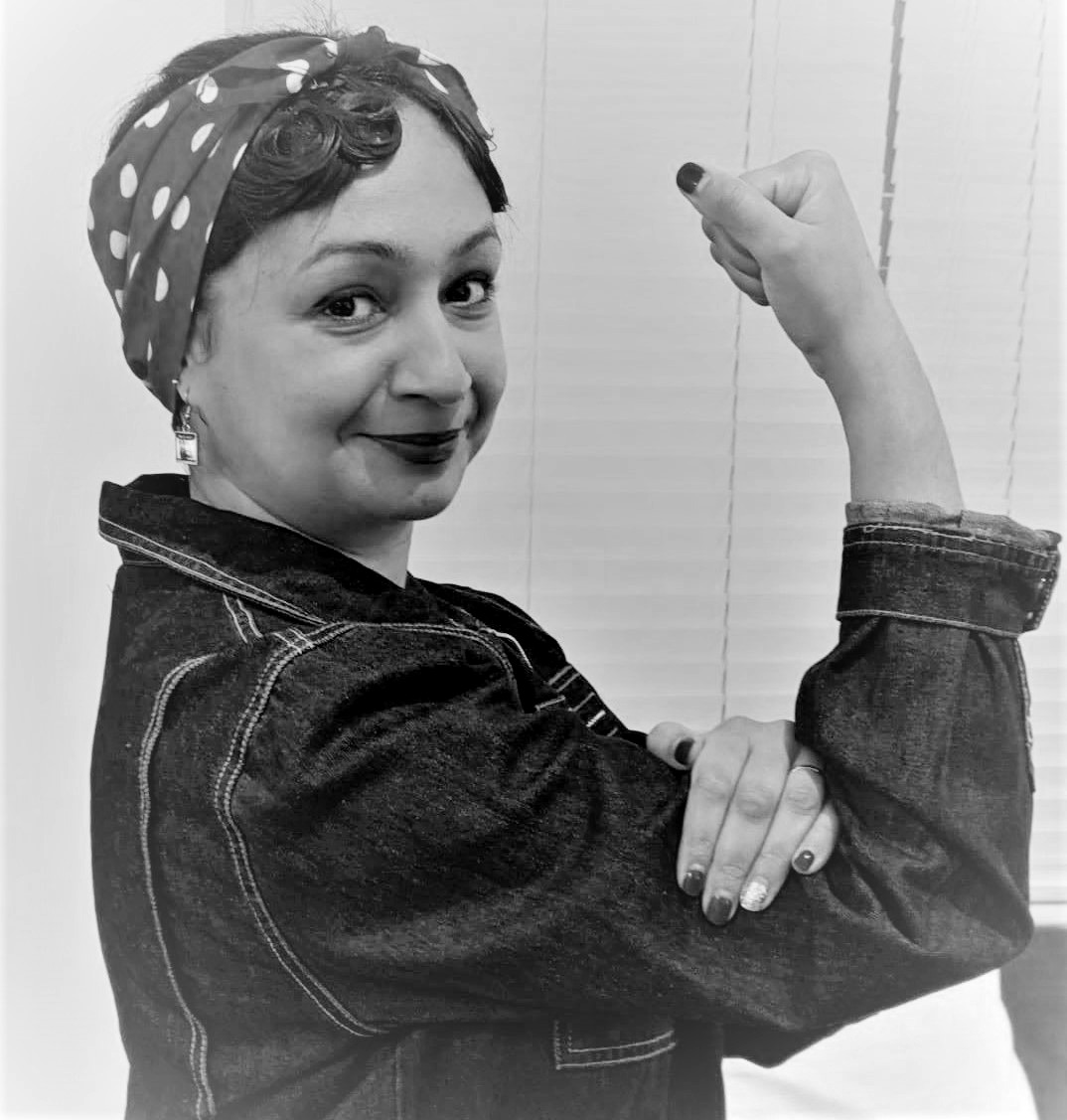
I adored being an engineer.
I was constantly in awe of how utterly complex it is to put a building or bridge together, and how humans could come together to make them realities.
And this entailed: getting gnarly problems to untangle, the creative throwing around of ideas, sitting by myself doing maths or computer models, meeting many people — designers, other engineers, surveyors, clients, contractors — all of us wanted to get the damn thing built and we (usually) pulled together to make it happen.
What I enjoyed less were the ‘second job’ referred to in the quote, corporate politics, and wrangling with many multiple authorities with even more inconsistent systems and processes.
So, like authoring, engineering has provided a series of highs and lows — solving stuff creatively, working with great people, and seeing something you had a hand in building get built, are deeply satisfying. And I miss that, although I still get that feeling when I see my books come to life. On a slightly smaller scale…
The Second Job
Early days (nearly 20 years ago), there were still posters of topless women on site, and I had to go have serious conversations about finite element analysis and soil-structure interaction with boobs looking down at me.
The key to the only woman’s toilet was around the neck of the only woman who worked on site. My boots didn’t fit, I swam in my high vis vest.
These practical issues have come a long way towards being solved.
What hasn’t, however, are the more insidious issues.
I was supported, until I wasn’t.
One employer was really happy to give me a load of leeway to get out there and promote our work, speak to students, and get involved in media campaigns — until the powers that be decreed that I had too much fame.
Low.
Subsequent employers were the opposite: they hired me because of my profile and efforts to promote engineering to minoritised groups.
High.
No matter which company I was in, however, I had to make dozens of decisions on a weekly, even daily basis, which was the so-called second job.
- Should I point out my colleagues Playboy cufflinks, make a joke about them?
- Do I pushback on the banter (which lasted months) about me carrying chilli powder around, because, Indian? (Yes, don’t forget, melanin and immigration status…)
- How do I respond to a group of men discussing how ‘that woman’ was over-promoted? Point out that — even if that’s true — men are often overpromoted too?
- Do I go for that next promotion or will they say the same about me?
- (What are they saying about me?)
Again, I loved being an engineer.
But I would have loved it even more, and been less exhausted, if I didn’t have to constantly wonder if I should joke, push back, or say nothing, then sit with the guilt and worry about having picked any of these options.
I know workplaces can be challenging to navigate, so dear reader, I’d love to hear what highs and lows you might have experienced in your work.
Fact of the Month!
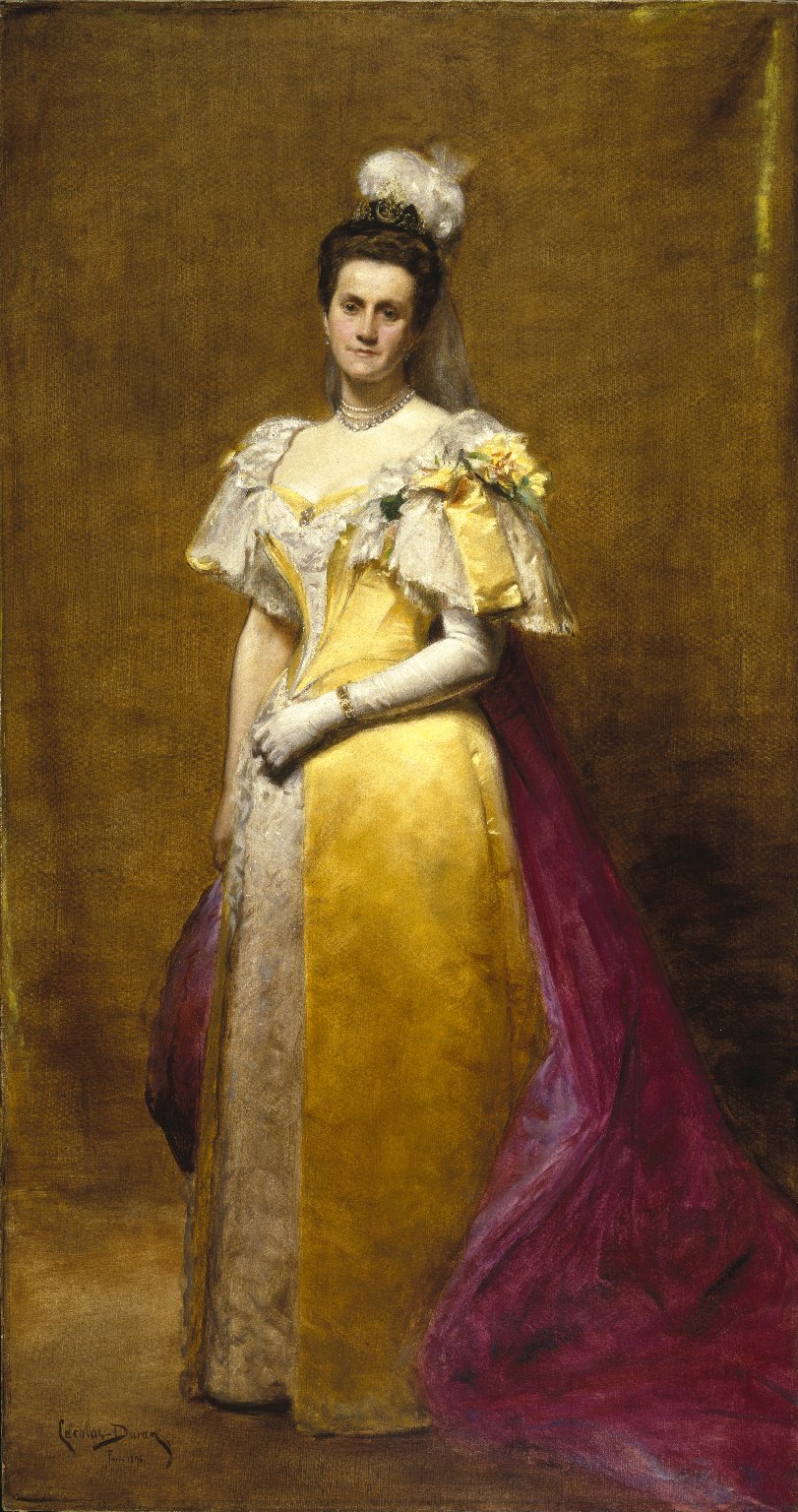
Did you know that is was, in fact, a woman that got the Brooklyn Bridge built in the 1850s/60s? Emily Warren Roebling’s father-in-law died, and her husband was injured and disabled, so she took over the project management and engineering of this iconic bridge — for no less than 11 years.